Cours disponibles

LO1 Définir des algorithmes de base pour exécuter une opération et décrire le processus de programmation d’une application.
LO2 Expliquer les caractéristiques de la programmation procédurale, orientée objet et pilotée par les événements.
LO3 Implémenter des algorithmes de base en code à l’aide d’un EDI.
LO4 Déterminer le processus de débogage et expliquer l’importance d’une norme de codage.

LO1 Examiner les principes de mise en réseau et leurs protocoles.
LO2 Expliquer les dispositifs et les opérations de mise en réseau.
LO3 Concevoir des systèmes en réseau efficaces.
LO4 Mettre en œuvre et diagnostiquer des systèmes en réseau.


LO1 Demonstrate a range of interpersonal and transferable communication skills to a target audience 
LO2 Apply critical reasoning and thinking to a range of problem-solving scenarios 
LO3 Discuss the importance and dynamics of working within a team and the impact of team working in different environments 
LO4 Examine the need for continuing professional development (CPD) and its role within the workplace and for higher-level learning.

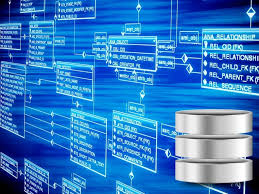
LO1 Use an appropriate design tool to design a relational database system for a substantial problem 
LO2 Develop a fully-functional relational database system, based on an existing system design
LO3 Test the system against user and system requirements
LO4 Produce technical and user documentation.

LO1 Assess risks to IT security
LO2 Describe IT security solutions
LO3 Review mechanisms to control organisational IT security
LO4 Manage organisational security

LO1 Conduct small-scale research, information gathering and data collection to generate knowledge on an identified subject
LO2 Explore the features and business requirements of organisations in an identified sector.
LO3 Produce project plans based on research of the chosen theme for an identified organisation
LO4 Present your project recommendations and justifications of decisions made, based on research of the identified theme and sector.

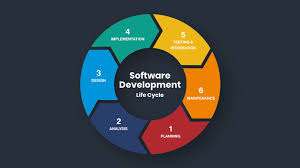
LO1 Describe different software development lifecycles
LO2 Explain the importance of a feasibility study
LO3 Undertake a software development lifecycle
LO4 Discuss the suitability of software behavioural design techniques.

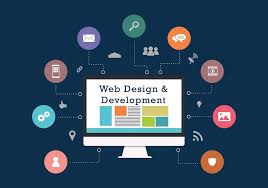
LO1 Explain server technologies and management services associated with hosting and managing websites
LO2 Categorise website technologies, tools and software used to develop websites
LO3 Utilise website technologies, tools and techniques with good design principles to create a multipage website
LO4 Create and use a Test Plan to review the performance and design of a multipage website.

LO1 Discuss the theoretical foundation of Artificial Intelligence and its impact on users and organisations
LO2 Analyse the approaches, techniques and tools to deploy Intelligent Systems in an organisation
LO3 Modify an AI-based system to improve how exhibits intelligence in response to a real-world problem
LO4 Evaluate the technical and ethical challenges and opportunities of Intelligent Systems

LO1 Examine appropriate research methodologies and approaches as part of the research process
LO2 Conduct and analyse research relevant to a computing research project
LO3 Communicate the outcomes of a research project to identified stakeholders
LO4 Reflect on the application of research methodologies and concepts.

LO1 Discuss the use of data and information to support business processes and the value they have for an identified organisation
LO2 Discuss the implications of the use of data and information to support business processes in a real-world scenario
LO3 Explore the tools and technologies associated with data science and how it supports business processes
LO4 Demonstrate the use of data science techniques to make recommendations to support real-world business problems.

LO1 Examine abstract data types, concrete data structures and algorithms
LO2 Specify abstract data types and algorithms in a formal notation
LO3 Implement complex data structures and algorithms
LO4 Assess the effectiveness of data structures and algorithms.

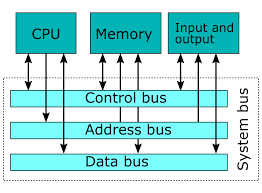
LO1 Examine the functions of computer system components
LO2 Discuss how data and programs can be represented within computer systems
LO3 Demonstrate the principles of processor operations
LO4 Investigate advanced computer architectures and performance

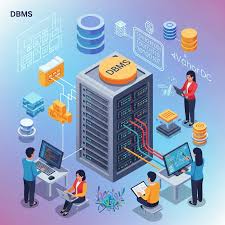
LO1 Analyse different types of database management systems
LO2 Design a database management system using a relational model to meet client requirements
LO3 Develop a database management system using a suitable platform
LO4 Demonstrate the system administration and management tools available on the chosen platform.

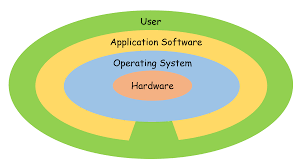
LO1 Investigate different operating systems, their functions and user interfaces LO2 Explore the processes managed by an operating system LO3 Demonstrate the use of DOS, Windows, UNIX and Linux LO4 Analyse appropriate techniques and technologies used in distributed and concurrent systems.

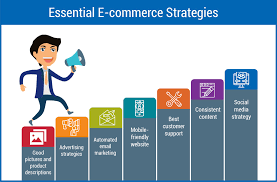
LO1 Examine E-Commerce strategies and their impact on business organisations
LO2 Review the hardware, software, web-based and database technologies involved in setting up a secure E-commerce site
LO3 Design an E-Commerce strategy based on a given end-user requirement or specification
LO4 Implement an E-Commerce strategy based on a given end-user requirement or specification.

LO1 Explain the different types, sizes and scope of organisations
LO2 Discuss the interrelationship of the various functions in an organisation and how they link to organisational structure
LO3 Use contemporary examples to demonstrate both the positive and negative influence/impact the macroenvironment has on business operations
LO4 Determine the internal strengths and weaknesses of a specific business and their interrelationship with external macro factors.

LO1 Explain the role of marketing and how it interrelates with other business units of an organisation
LO2 Compare ways in which organisations use elements of the marketing mix to achieve overall business objectives
LO3 Produce a marketing plan for an organisation that meets marketing objectives
LO4 Develop a media plan to support a marketing campaign for an organisation.

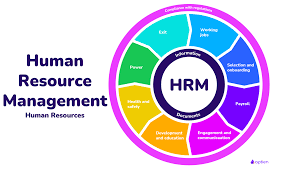
LO1 Explain the impact of the role of HRM in creating sustainable organisational performance and contributing to business success
LO2 Produce a workforce action plan for recruiting and retaining talent to address skills shortages in an organisation
LO3 Examine how external and internal factors can affect HRM decision-making in relation to organisational development
LO4 Apply HRM practices in a work-related context for improving sustainable organisational performance.

LO1 Explain the impact of the role of HRM in creating sustainable organisational performance and contributing to business success LO2 Produce a workforce action plan for recruiting and retaining talent to address skills shortages in an organisation LO3 Examine how external and internal factors can affect HRM decision-making in relation to organisational development LO4 Apply HRM practices in a work-related context for improving sustainable organisational performance.

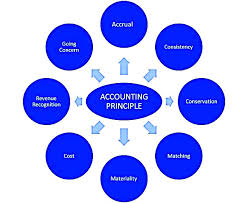
LO1 Examine the context and purpose of accounting
LO2 Prepare basic financial statements for unincorporated and small business organisations in accordance with accounting principles, conventions and standards
LO3 Interpret financial statements
LO4 Prepare budgets for planning, control and decision making using spreadsheets.

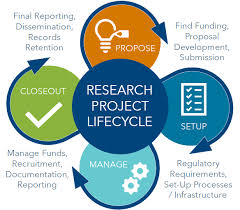
LO1 Explain the key stages of the project lifecycle that should be considered when project managing
LO2 Produce a Project Management Plan (PMP) for a business project using primary and secondary research methods
LO3 Implement the Project Management Plan (PMP) to communicate results from the research and make conclusions from the evidence of findings
LO4 Reflect on value gained from implementing the project and the project management process.

LO1 Explain the nature of the legal system
LO2 Illustrate the potential impact of the law on a business
LO3 Examine the formation of different types of business organisations
LO4 Recommend appropriate legal solutions to resolve areas of dispute.

LO1 Collect research data and apply business models for business decision making
LO2 Apply techniques to interpret data
LO3 Assess digital platforms for collection, storage and analysis of data and presentation of business information
LO4 Present information in appropriate formats to meet management needs

LO1 Explain the different types, sizes and scope of organisations
LO2 Discuss the interrelationship of the various functions in an organisation and how they link to organisational structure
LO3 Use contemporary examples to demonstrate both the positive and negative influence/impact the macroenvironment has on business operations
LO4 Determine the internal strengths and weaknesses of a specific business and their interrelationship with external macro factors.

LO1 Examine appropriate research methodologies and methods to identify those appropriate to the research process
LO2 Develop a research proposal, including a supporting literature review
LO3 Analyse data using appropriate techniques to communicate research findings
LO4 Reflect on the application of research methodologies and process

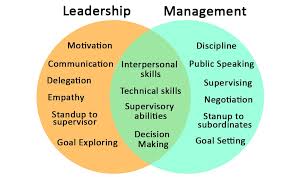
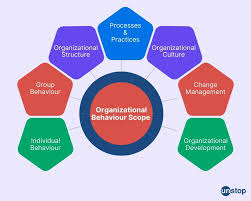
LO1 Reflect on own personality and perceptions to understand how individual difference informs and influences management approaches
LO2 Apply content and process theories of motivation to create and maintain an effective workforce
LO3 Lead a group team activity for a given business situation to demonstrate effective team leadership skills
LO4 Examine how power, politics and culture can be used to influence employee behaviour and accomplish organisational goals.

LO1 Explore the nature, source and purpose of management accounting information
LO2 Evaluate management accounting techniques to inform optimal resource allocation and decision making
LO3 Analyse actual and standard costs to control and correct variances
LO4 Evaluate how the management accounting function contributes to performance measurement and monitoring.

LO1 Evaluate business and economic data/information obtained from published sources
LO2 Analyse and evaluate raw business data using a number of statistical methods
LO3 Apply statistical methods in business planning
LO4 Communicate findings using appropriate charts and tables.

LO1 Investigate the influence of the digital environment for effective marketing of business organisations
LO2 Apply digital tools and techniques for an integrated marketing approach within a given business organisation
LO3 Design a digital marketing campaign using multimedia to optimise content that targets key audiences
LO4 Evaluate methods of monitoring and measuring a digital marketing campaign in line with marketing objectives to increase engagement and conversions.

LO1 Analyse how a brand is built and managed over time LO2 Create a brand portfolio strategy to organise portfolios and manage brand hierarchies LO3 Evaluate how brands are leveraged/extended over time domestically and internationally LO4 Apply techniques for measuring and managing brand value over a period of time.

LO1 Examine the strategies employed by and the impact of e-commerce on business organisations
LO2 Analyse the hardware, software, web-based and database technologies involved in setting up a secure e-commerce site
LO3 Design an e-commerce strategy based on a given end-user requirement for a target audience.
LO4 Implement an e-commerce strategy based on a given end-user requirement for a target audience.

LO1 Analyse the context and purpose of financial reporting for high-performing organisations
LO2 Evaluate regulatory frameworks for financial reporting
LO3 Prepare financial statements for an incorporated organisation to meet legal requirements and business objectives
LO4 Interpret financial statements of an incorporated organisation to achieve performance metrics.

LO1 Evaluate the role and purpose of the financial management function
LO2 Determine alternative sources of business finance including contemporary methods for different business situations
LO3 Evaluate approaches to working capital management within an organisation
LO4 Recommend alternative investment appraisal techniques to inform decision making.

LO1 Analyse taxation systems and the legislation that governs them
LO2 Determine taxation liabilities for unincorporated organisations and individuals
LO3 Determine taxation liabilities for incorporated organisations
LO4 Evaluate the impact on organisations of the legal and ethical constraints associated with taxation responsibilities.


Annonces du site

(Il n'y a pas encore de discussion dans ce forum)